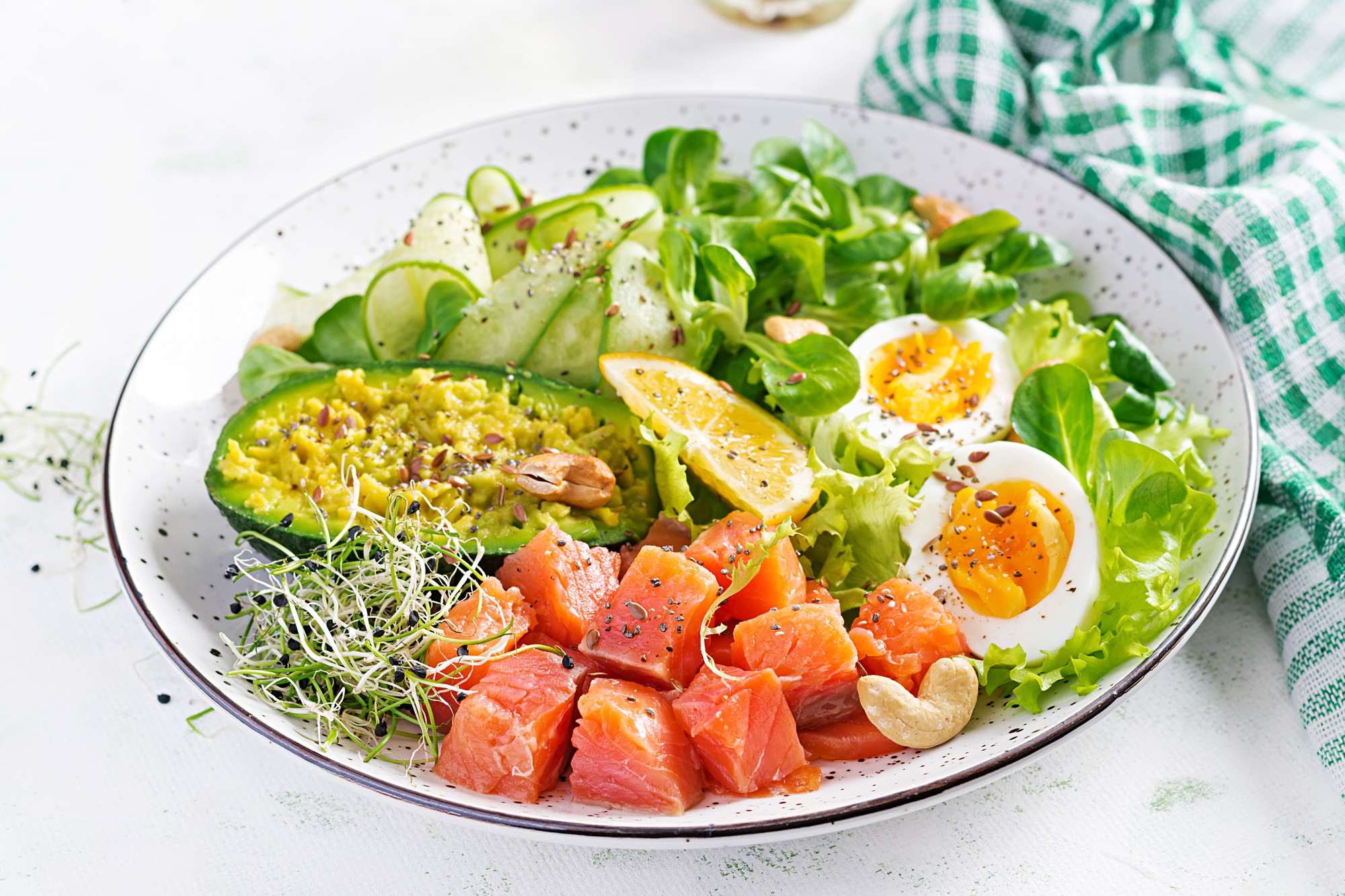
Nutrition describes how food supports energy, growth, repair and everyday function. These foundations help you understand meals without turning every bite into a calculation.
01
Balanced meals
Combine food groups
Carbohydrate-rich foods, protein sources, vegetables, fruits and fats each contribute different qualities. Combining them tends to create meals with better variety and satisfaction.
No single ingredient carries the whole pattern. Context across meals matters more than labelling individual foods as perfect or poor.
Carbohydrates support daily energy needs
Protein contributes to maintenance and repair
Fats add flavour and help meals satisfy
02
Plant variety
Include fibre and colour
Vegetables, fruits, beans, wholegrains, nuts and seeds provide fibre alongside a range of micronutrients. Increasing variety gradually helps the kitchen stay interesting.
Fresh is not the only useful form. Frozen and tinned plant foods can be affordable, convenient and easy to store.
Add beans to soups and grain dishes
Mix two vegetables in a familiar side
Rotate breakfast fruit with the season
03
Portion awareness
Use appetite and context
Portion needs change with body size, activity, appetite and the rest of the day. Visual plate guides can offer a starting point, but they are not exact requirements.
Serve enough to feel comfortable, eat with reasonable attention and choose more if hunger remains.
Start with a balanced mix
Allow appetite to vary
Avoid turning portions into moral labels
04
Hydration and planning
Build simple daily cues
Fluid needs vary, and drinks plus water-rich foods contribute. Pale urine and comfortable thirst can be useful everyday observations for many adults.
Keep drinks visible, link them to regular moments and include extra attention during warm weather or longer activity.
Drink with meals
Carry a reusable bottle
Use water, milk, tea and other suitable drinks for variety